Headline 1
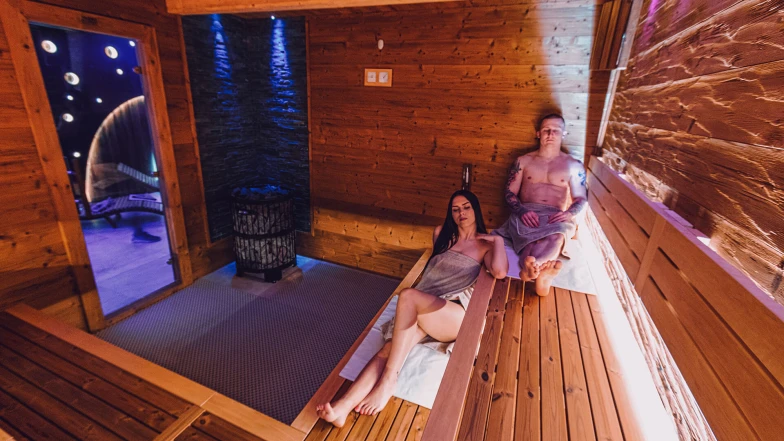
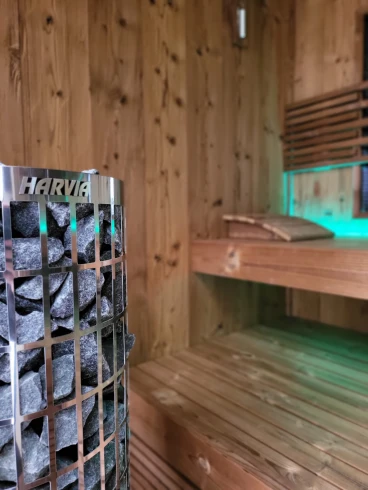
The Finnish sauna is the oldest and best-known type of dry sauna, with roots stretching back thousands of years. It is characterised by high temperatures (80–100 °C) and low humidity, complemented by occasional steaming – pouring water over the hot stones to produce a brief, intense burst of steam (known as “löyly”).
The Finnish sauna is the oldest and best-known type of dry sauna, with roots stretching back thousands of years. It is characterised by high temperatures (80–100 °C) and low humidity, complemented by occasional steaming – pouring water over the hot stones to produce a brief, intense burst of steam (known as “löyly”).
The Finnish sauna is the oldest and best-known type of dry sauna, with roots stretching back thousands of years. It is characterised by high temperatures (80–100 °C) and low humidity, complemented by occasional steaming – pouring water over the hot stones to produce a brief, intense burst of steam (known as “löyly”).
The Finnish sauna is the oldest and best-known type of dry sauna, with roots stretching back thousands of years. It is characterised by high temperatures (80–100 °C) and low humidity, complemented by occasional steaming – pouring water over the hot stones to produce a brief, intense burst of steam (known as “löyly”).
Headline 2
The Finnish sauna is the oldest and best-known type of dry sauna, with roots stretching back thousands of years. It is characterised by high temperatures (80–100 °C) and low humidity, complemented by occasional steaming – pouring water over the hot stones to produce a brief, intense burst of steam (known as “löyly”).
The Finnish sauna is the oldest and best-known type of dry sauna, with roots stretching back thousands of years. It is characterised by high temperatures (80–100 °C) and low humidity, complemented by occasional steaming – pouring water over the hot stones to produce a brief, intense burst of steam (known as “löyly”).
Headline 3
The Finnish sauna is the oldest and best-known type of dry sauna, with roots stretching back thousands of years. It is characterised by high temperatures (80–100 °C) and low humidity, complemented by occasional steaming – pouring water over the hot stones to produce a brief, intense burst of steam (known as “löyly”).
The Finnish sauna is the oldest and best-known type of dry sauna, with roots stretching back thousands of years. It is characterised by high temperatures (80–100 °C) and low humidity, complemented by occasional steaming – pouring water over the hot stones to produce a brief, intense burst of steam (known as “löyly”).
The Finnish sauna is the oldest and best-known type of dry sauna, with roots stretching back thousands of years. It is characterised by high temperatures (80–100 °C) and low humidity, complemented by occasional steaming – pouring water over the hot stones to produce a brief, intense burst of steam (known as “löyly”).